Chamber II · Field Codex

Guides and Builds

Clear routes through builds, bosses, runs, systems, and difficult decisions—without flattening the mystery that makes intense game worlds worth entering.

Gaming Naro gathers practical field notes for New Zealand players drawn to roguelikes, action RPGs, indie releases, and dangerous worlds that reward attention.

Each entry marks its play goal, difficulty context, and a useful next step.

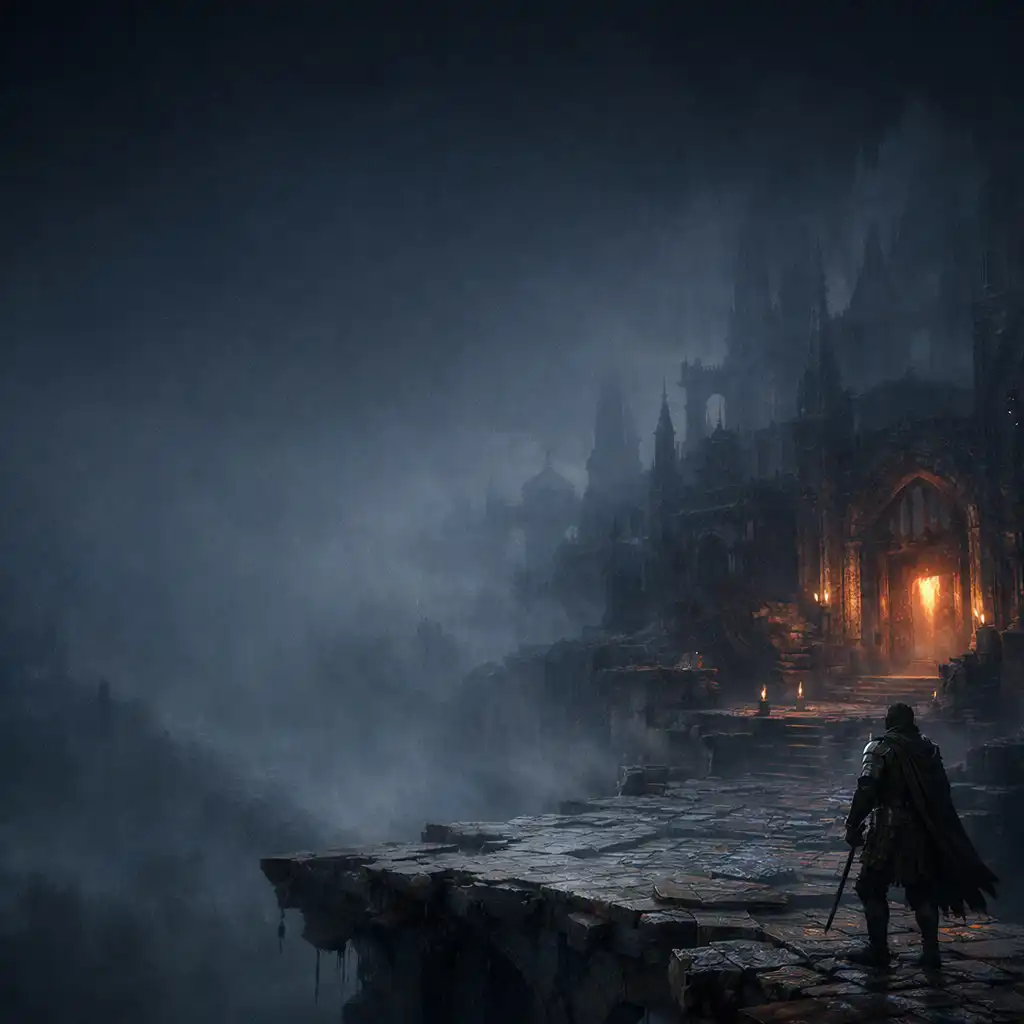
An armored wanderer facing an ember-lit gate across a ruined sanctum bridge.
Begin with the question your current run is asking.

Field-note principle

Build craft without the blind faith

A build is a route through decisions, not a demand to reproduce every item, roll, or choice. That matters when a roguelike run changes under your feet or an action RPG asks you to evolve a character over time. Understand the role of an early choice before treating it as mandatory, and a guide can remain useful even when your path diverges.

01

The core loop

Useful guidance identifies the repeated action that functions under pressure: where damage appears, how positioning protects it, when resources are spent, and how recovery returns you to the loop. Optional refinements matter later; first, the loop should make sense in motion.

02

The pivot points

Strong routes call out decisions that change with gear, luck, difficulty, or confidence. Sometimes safety is worth more than output; sometimes an unexpected reward justifies a detour. The point is to recognise the crossroads, not pretend one answer is universal.

03

The recovery plan

Practical advice includes the moment a plan breaks down. Look for fallback priorities, simpler rotations, and signals to retreat, reset, or re-evaluate. A resilient route helps you recover a run instead of describing only its ideal version.

Keep one workable answer when the perfect answer disappears.

“A route is strongest when it still leaves room for the player at the crossroads.”

Gaming Naro field-note principle

Next chamber · Run room

Run room: learn the loop, not the script

Changing rewards and repeated failure can make a fixed route feel brittle. These roguelike field notes focus on run planning, encounter reading, and decision discipline: habits that help you learn what a changing run is offering without mistaking every surprise for a command.

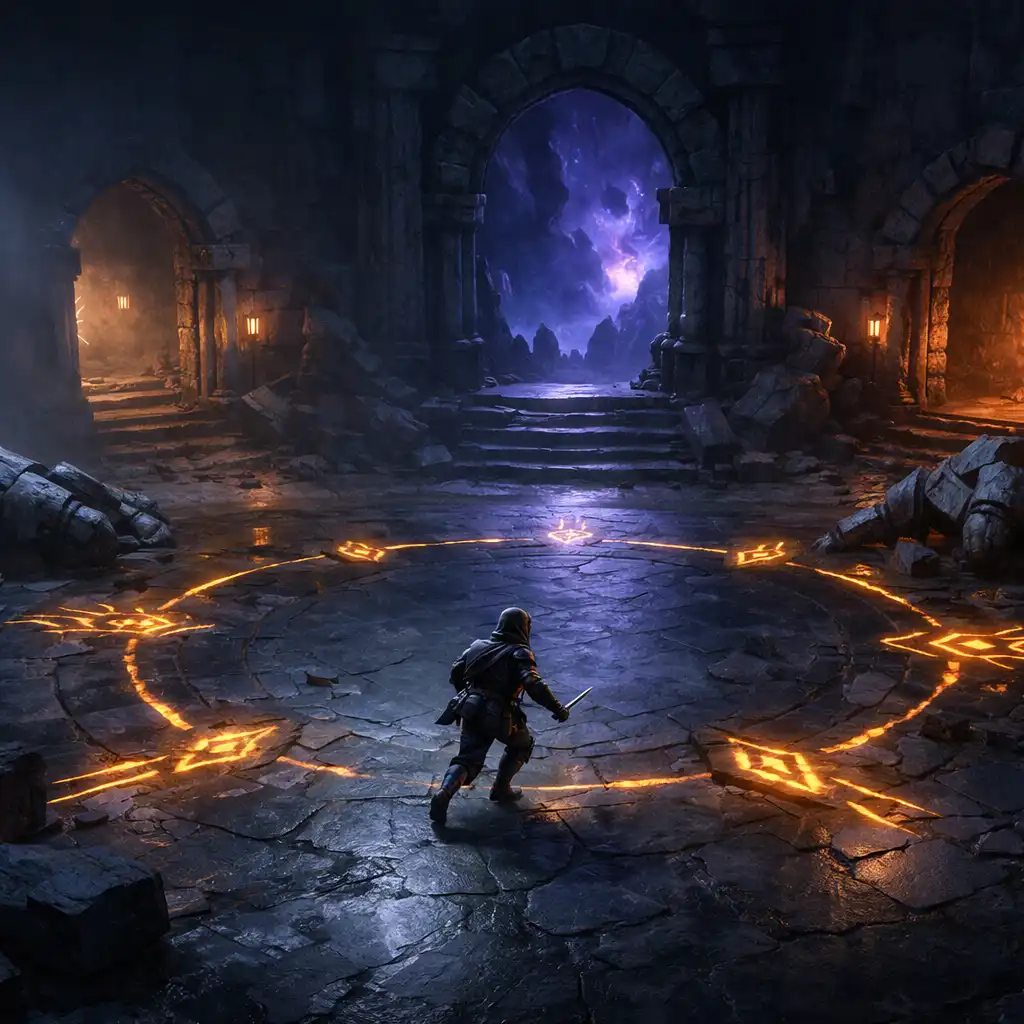
An agile adventurer crossing an obsidian arena with glowing rune paths and branching exits.

Roguelike Guide

Reading a run’s signals

Learn to identify what is already working, separate a tempting detour from a useful pivot, and preserve enough defence to see the next room. The field note treats adaptation as a skill: observe the run, name the pressure, and make a decision you can still support after the next reward appears.

Read field note

Translation chamber

Systems that deserve translation

Layered modifiers, currencies, upgrade paths, and hidden-seeming interactions can turn discovery into friction. These guides aim to restore clarity without stripping away a world’s mystery. They show what a system is asking, what a decision changes, and which question is worth carrying into the next room.

Context field mark

Patch-aware field notes for NZ players

Before committing time to a guide, check its date and stated context—especially when patches or regional availability may shape your plans. Gaming Naro also follows news, patch notes, and upcoming releases, so New Zealand readers can place a practical route beside the wider editorial picture without mistaking changing context for a permanent rule.

1 · Check the field mark

Read the guide context

Look for the article date, its stated assumptions, and whether it offers a starting route or a deeper refinement. That framing tells you how closely the advice matches the problem you have now.

2 · Watch the shifting ground

Pair a route with updates

Patches can alter the practical context around a guide. Pair your build questions with wider coverage when you need to understand what has changed.

Visit News and Patch Notes

3 · Mark the next descent

Keep planning separate

Release interest can help you decide what to explore next, while build theory should remain focused on play decisions inside the world you are already learning.

See Upcoming Releases and Editor Selections

Relic shelf · Choose freely

Choose the next chamber

Select the challenge you want to meet next. Enter by mood and play need: survive a volatile run, shape a character for live combat, or understand a world whose systems still feel sealed. The path progresses, but it never has to be rigid.

Next field mark

Carry the next field note

The next useful guide is the one that answers the pressure in front of you. Return to the archive for another route, or step into lore when the world behind the decision calls for a closer look.